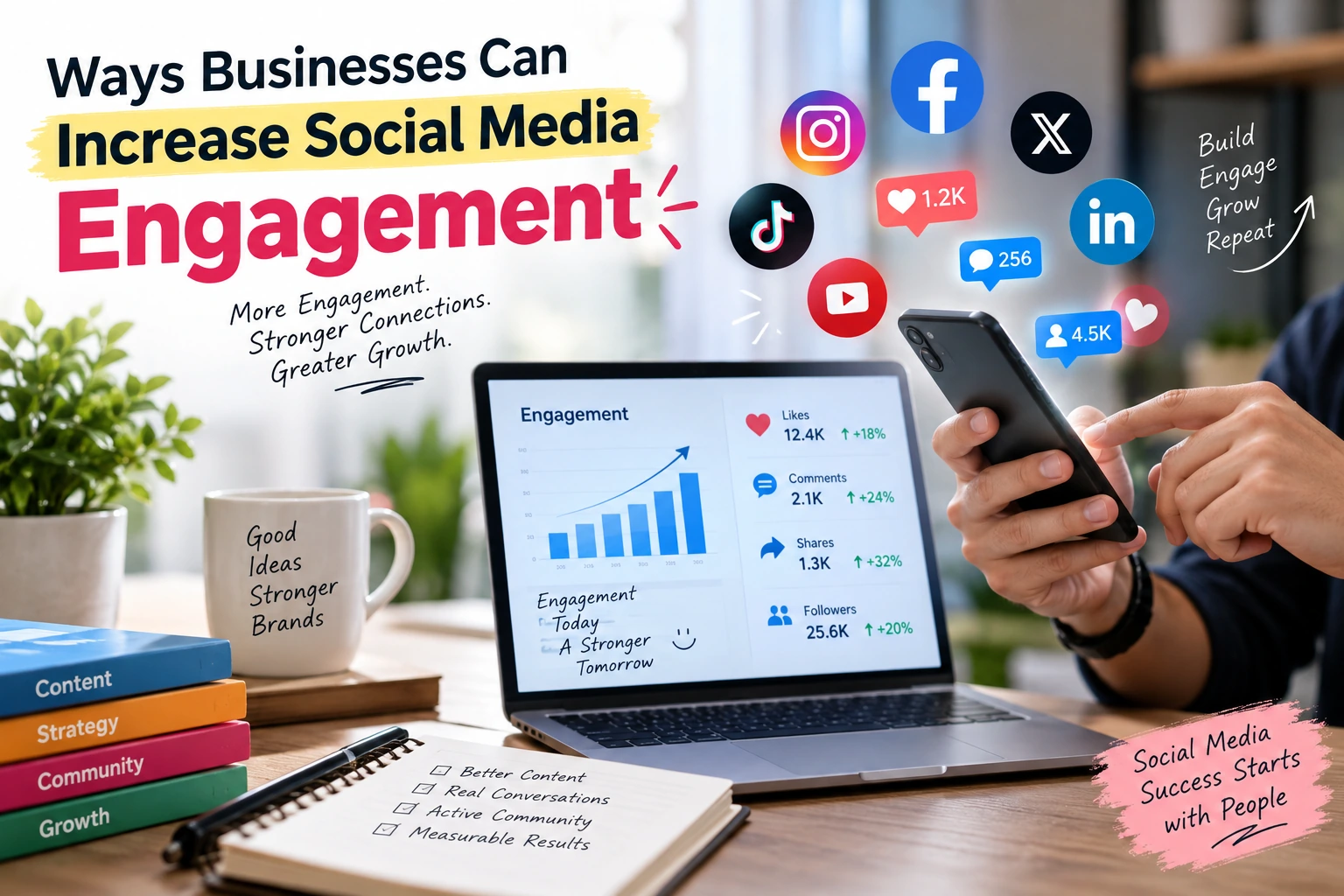
Social media has become an important communication channel for businesses of all sizes. However, simply creating an account and posting occasionally does not guarantee that people will interact with a brand. Businesses need content that captures attention, encourages conversation, and provides a reason for followers to return.
Social media engagement includes likes, comments, shares, saves, replies, direct messages, mentions, and other interactions. Strong engagement can help businesses build relationships with their audiences and create a more recognizable online presence.
Know Your Target Audience
The first step toward improving social media engagement is understanding who you are trying to reach. Different audiences have different interests, communication styles, and expectations.
A business should consider its customers’ common questions, challenges, preferences, and interests. This information can guide content decisions and make posts more relevant.
Instead of trying to appeal to everyone, businesses can create content specifically for the people most likely to purchase their products or services.
Create Valuable and Useful Content
People are more likely to engage with content that gives them something useful. Educational posts, practical tips, tutorials, industry insights, checklists, and answers to common questions can encourage followers to interact.
For example, a home improvement business could share maintenance tips, while a restaurant might provide cooking ideas or behind-the-scenes content. The goal is to provide information or entertainment rather than making every post a sales pitch.
Use Visual Content
Images and videos can make social media posts more noticeable. Short videos, demonstrations, product showcases, behind-the-scenes clips, and customer-focused visuals can help communicate information quickly.
Businesses should maintain clear and consistent visual branding while adapting content to the format preferred by each platform.
Ask Questions
Questions provide an easy way for followers to participate. A business might ask customers about their preferences, experiences, opinions, or future interests.
Simple questions such as “Which option would you choose?” or “What is your biggest challenge with this?” can encourage comments and create conversations.
However, questions should feel natural and relevant rather than being added simply to generate engagement.
Respond to Comments and Messages
Engagement should work in both directions. When customers take the time to comment or send a message, businesses should respond appropriately and promptly when possible.
A thoughtful response can make followers feel heard and demonstrate that the business values its audience. Responding to questions can also help potential customers find useful information before making a purchasing decision.
Encourage User-Generated Content
Customers can become an important source of social media content. Businesses can encourage customers to share photos, reviews, experiences, or videos featuring their products or services.
With appropriate permission, businesses can reshare this content on their own channels. User-generated content can provide authentic social proof and make a brand’s online presence feel more community-driven.
Post Consistently
Consistency is generally more useful than posting large amounts of content for a short period and then becoming inactive.
Businesses should create a realistic publishing schedule that they can maintain. The ideal frequency depends on the platform, audience, available resources, and type of content.
A content calendar can help businesses plan educational posts, promotional content, seasonal topics, customer stories, and other material in advance.
Use Stories, Polls, and Interactive Features
Many social platforms offer interactive tools such as polls, quizzes, question stickers, surveys, and other features. These can turn passive viewers into active participants.
For example, a clothing business could ask followers to choose between two styles, while a service company could use a question feature to collect common customer concerns.
Interactive content can also provide useful insights into audience preferences.
Tell Your Brand’s Story
People often connect with businesses that feel authentic and relatable. Sharing the story behind a company, introducing team members, showing how products are made, or explaining business values can create a stronger personal connection.
Storytelling does not need to be complicated. Even a simple behind-the-scenes post can help followers understand the people and purpose behind a business.
Analyze Performance
Improving engagement requires more than posting and hoping for results. Businesses should review their social media analytics regularly.
Important measurements may include comments, shares, saves, watch time, reach, clicks, and follower growth. Comparing different types of posts can reveal what resonates most with the audience.
If educational videos consistently receive more interaction than promotional graphics, for example, the business can adjust its content strategy accordingly.
Avoid Over-Promotion
Constantly asking people to buy something can reduce interest in a business’s social media presence. Promotional posts have their place, but they should be balanced with educational, entertaining, inspirational, and community-focused content.
A useful approach is to think about what the audience gains from following the account, not just what the business wants to sell.
Conclusion
Increasing social media engagement requires consistency, relevance, creativity, and genuine interaction. Businesses can strengthen their online presence by understanding their audience, sharing useful content, responding to followers, encouraging participation, using visual formats, and reviewing performance data.
The most successful strategy is rarely about chasing every trend. Instead, businesses should focus on creating meaningful conversations and providing content that people actually want to see. Over time, these efforts can help transform social media followers into an active and engaged community around the brand.