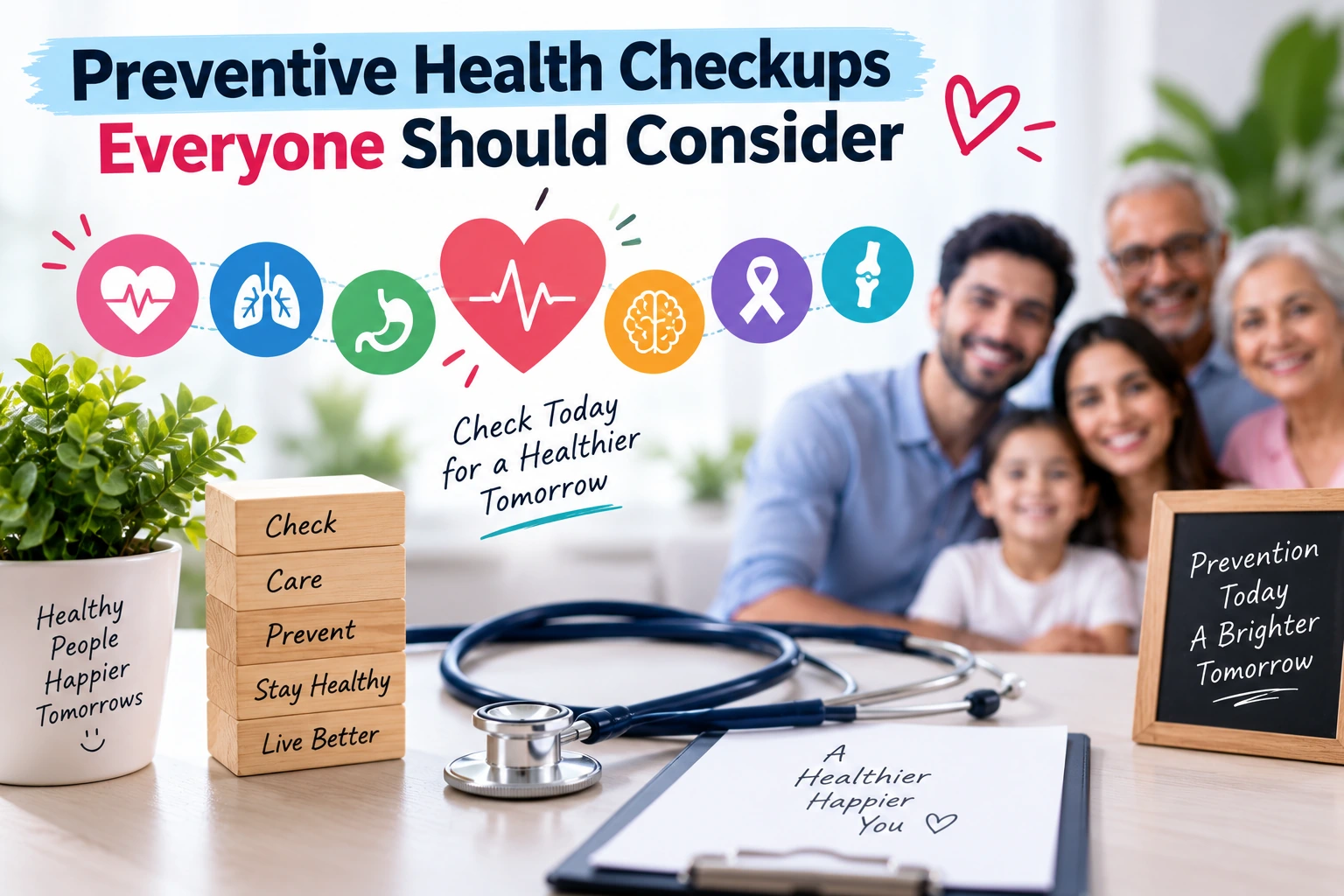
Good health is not only about treating an illness after symptoms appear. Regular preventive health checkups can help identify potential health concerns early, sometimes before a person notices any warning signs. They also provide an opportunity to understand important health measurements and make informed lifestyle choices. The right checkups depend on age, family history, lifestyle, and existing health risks, but there are several evaluations that many adults should consider as part of routine healthcare.
Why Preventive Health Checkups Matter
Many health conditions can develop gradually without obvious symptoms. High blood pressure, elevated cholesterol, diabetes, and some other conditions may remain unnoticed for years. A routine checkup allows a healthcare professional to review your health history, assess risk factors, and recommend appropriate screening.
Preventive care can also help you track changes over time. Comparing blood pressure, weight, blood sugar, cholesterol, or other measurements from different visits can reveal patterns that may require attention.
Basic Health Assessment
A routine medical examination is a useful starting point. It may include checking blood pressure, pulse, weight, body mass index, and general physical health. Your doctor may also ask about sleep, exercise, diet, stress, medications, tobacco use, alcohol consumption, and other lifestyle factors.
These conversations are important because preventive healthcare is not limited to laboratory tests. Lifestyle habits can significantly influence long-term health.
Blood Sugar Screening
Blood glucose testing can help identify diabetes or prediabetes. Depending on your age and risk factors, a doctor may recommend a fasting blood glucose test or an HbA1c test.
People with a family history of diabetes, excess weight, high blood pressure, or other risk factors may need screening more regularly. Detecting elevated blood sugar early can provide an opportunity to improve diet, physical activity, weight management, and other habits before complications develop.
Cholesterol Testing
A lipid profile measures different types of cholesterol and triglycerides in the blood. These measurements can help assess cardiovascular risk.
High cholesterol often does not cause noticeable symptoms, which is why testing can be valuable even when you feel healthy. Your healthcare provider can interpret your results alongside factors such as age, blood pressure, smoking status, and family history.
Blood Pressure Checks
Blood pressure is one of the simplest health measurements to monitor. Persistently high blood pressure can increase the risk of heart disease, stroke, kidney problems, and other complications.
Having your blood pressure checked during regular healthcare visits is important. Some people may also benefit from monitoring it at home, particularly when advised by a healthcare professional.
Cancer Screening
Cancer screening recommendations vary considerably according to age, sex, family history, and personal risk. Depending on individual circumstances, preventive care may include screenings for colorectal, cervical, breast, lung, or prostate cancer.
Screening does not mean every person needs every test. A healthcare professional can help determine which screenings are appropriate and when they should begin.
Eye and Dental Examinations
Preventive healthcare should also include eye and dental care. Regular dental examinations can help identify cavities, gum disease, and other oral health problems before they become more serious.
Eye examinations can detect vision changes and may also identify certain eye conditions that develop gradually. The recommended frequency depends on age, existing conditions, vision needs, and risk factors.
Vaccinations and Immunization Review
Vaccines are another important part of preventive healthcare. Adults may need routine or age-specific vaccinations, as well as additional vaccines based on travel, occupation, medical conditions, or other circumstances.
During a checkup, ask your healthcare provider to review your vaccination history and determine whether any doses or boosters are recommended.
Mental Health and Lifestyle Review
Physical health is only one part of overall well-being. A preventive appointment can also be a useful time to discuss stress, sleep, mood, anxiety, work-life balance, and other concerns.
Simple lifestyle improvements can have a meaningful impact. Regular physical activity, nutritious meals, adequate sleep, maintaining a healthy weight, avoiding tobacco, and moderating alcohol can all contribute to better long-term health.
When Should You Get a Checkup?
There is no single schedule that works for everyone. Healthy younger adults may require fewer routine tests than people with chronic conditions or significant family health risks. Older adults may need more frequent assessments and additional screenings.
Instead of following a generic checklist, discuss your personal health history and risk factors with a qualified healthcare professional. This allows your screening plan to be tailored to your needs.
Make Preventive Care a Regular Habit
Preventive health checkups are an investment in your future well-being. They can help identify risk factors, monitor important health measurements, keep vaccinations current, and guide healthier lifestyle decisions.
The goal is not to undergo unnecessary tests. It is to receive the right preventive care at the right time. Scheduling regular healthcare visits and discussing recommended screenings with your doctor can make it easier to stay informed about your health and address potential concerns early.
Conclusion: Preventive care works best when it becomes part of your normal routine rather than something you consider only when you feel unwell. A personalized checkup plan can help you take a proactive approach to maintaining good health throughout different stages of life.